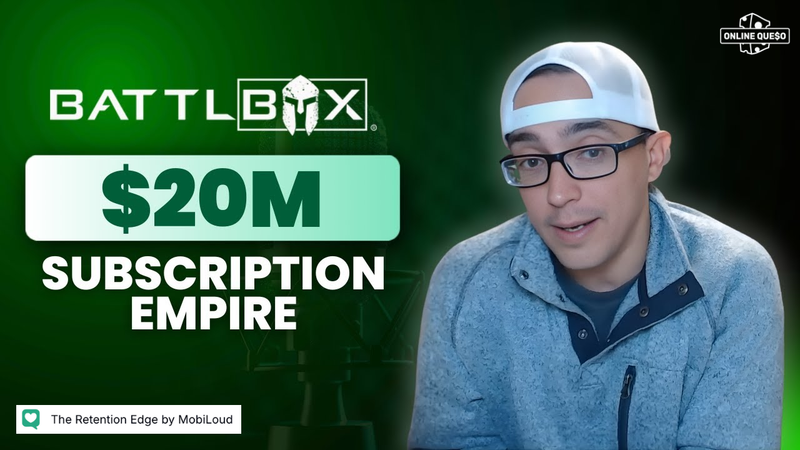
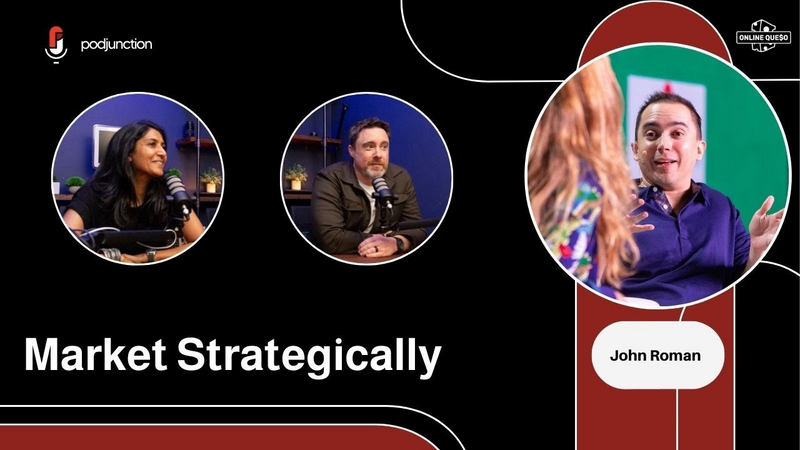
BattlBox has survived nearly twelve years in DTC — a lifetime in an industry built on five-year hype cycles. In this episode of The DTC Revenue Rocket Podcast, founder John Roman joins Zak Cassady-Dorion to unpack how the outdoor adventure and preparedness brand built its business around content and community long before that was a common playbook, and how that same conviction shaped one of the wildest founder stories on the show: selling the company at the top of the market in 2021, then buying it back in 2023 after a SPAC-driven crash — a move John describes as equal parts arbitrage and pure emotional attachment.
Along the way, John tells the inside story of BattlBox's Netflix series, Southern Survival — a three-year odyssey through rejected pitches to History and Discovery that nearly got shelved days before its July 2020 premiere. He also goes deep on how his team, led by marketing lead Walter, rebuilt BattlBox's landing pages and product listings around Claude — including one AI-driven fix that surfaced $25,000 in inventory that had been sitting unlisted for months. John closes with his framework for founders figuring out where AI fits: build it yourself first, then decide whether you need a head of AI or the right agency partner.
Transcript from video:
0:00 [music]
0:06 a few months out from 12 years, which is from a TOC lifespan. It's uh it's long. That's dinosaur. Um I need my D TOC ARP card soon. We we sold the business um in 2021. We then um decided to buy the business back in 2023, which is not part of the playbook. We wanted it back. It was our baby and uh we weren't ready to give give it up.
0:34 Uh your I think it was July 2020, your Netflix uh series that came out. Like dude, that is awesome. Thank goodness because it would have been a different story if it just got sheld out of curiosity. We found $25,000 worth of product that had been sitting in our warehouse, multiple SKs.
0:54 We had never never listed it on our site for sale. revenue. It's 70% of our revenue. John, welcome to the welcome to the podcast.
1:13 Zak, thanks for having me, man. Excited to be here.
1:16 Yeah. Um, so we have John Roman from BattlBox uh on DTC Revenue Rocket podcast today. Um, John, before we jump in, uh, give us a little bit of background about you and, uh, and for anyone that doesn't know um, about BattlBox.
1:30 Sure. So, BattlBox outdoor adventure brand. Um, think everything from camping, hiking to general preparedness. And, uh, we've been around for a while now. It's kind of crazy to say this, but we're we're getting we're a few months out from 12 years, which is from a TTOC lifespan. It's uh it's long. That's dinosaur. Um I need my DTOC ARP card soon. It's um we we've seen a of a a lot's changed in 12 years, right? From
2:04 $5 uh customer acquisition costs on on Meta in 2015 to to now. Um but uh the journey's been an interesting one. It's been uh we we sold the business um in 2021. We then um decided to buy the business back in 2023, which is not part of the playbook. And um that's kind of
2:29 probably why the the the lifespan is is as long as it has been without any fundamental major changes. But yeah, definitely um a little bit unusual when it comes to a brand because we focus a lot on content, content and community.
2:45 And those are kind of the two pillars that we lead by all decisions take into consideration how it affects community and and content. And that's kind of also our secret sauce and our moat because it's insane what we do and you can't
3:01 replicate it. And um it's it's just a very unusual approach. It's almost like a um not almost it serves as a major top offunnel lever for us. Um which which is just a little unusual. So don't get me wrong, we advertise a lot on all the usual suspects. Spend way more than I would like to spend, but it's necessary,
3:24 but it it serves more as a middle funnel for us. Um, so yeah, and I'm happy to be here and and we got connected via our mutual friend Ben. So yeah. Um, also I want I want to dig into dig into all that. Uh, but especially
3:41 the content. Um, you actually before we before I hit record, you told me that this was the third podcast of the day that that you're doing. So that's that's that's awesome. So you're you're putting the time in to create a lot of content. That's very clear.
3:52 Yeah. Yeah. And I'm and I'm not the I'm not one of the content guys. Um but it kind of goes goes to show you, you know, I'm my content that I'm doing is all on the business side of it. But then we have full-time two full-time um creators
4:08 on the brand side. Um Brandon and Joey, that literally that's what they do. It's it's it's content put out quality good content. And um they have now a large team supporting them. We have four full-time video editors in house. Um,
4:26 and then we have, you know, all of the usual suspects that that would surround a marketing and content team. So, we have we have uh someone focused specifically on the content flow. Then we have someone focused on the the distribution of it on social and then,
4:42 you know, several other marketing members that that handle other aspects of it. But yeah, we're we are a content engine. Um, which is which is different.
4:52 Yeah. Um, and and I know that's how you've been you've been a content engine since since you started. Um, but I and I want to dig more into that. But before I dig into that, I want to talk about you growing the business, starting the business, growing the business, selling the business, which is something that,
5:07 you know, most DTOC founders are dream of. Um, and then buying back the business. So, like what let's I'd love to hear hear that. What led you to wanting to sell the business back in was it 2021 you said? Yeah. So, we we closed um closed Yeah.
5:23 October 2021. Um at the top of the market. Great time to sell. Can't can't take credit for anything though besides getting lucky there. The uh yeah, was not um necessarily what you would think. Oh, you know, it's
5:38 it's time to go. Um so, there were three of us at the time in the business. three three partners and two of us saw this vision and wanted to keep building and growing and um you know loved what we did every day. Loved our jobs. And the
5:55 third business partner um was was was ready to go home, you know, ready to retire, didn't enjoy the work anymore.
6:04 And when those things happen um the productivity traditionally follows as well. So there were gaps in the business and um you know it's it's tough to get a partner to to do their their equal share when they when their heart's not in it.
6:21 So tough tough spot two roads diverged and um you know we had agreed internally in other conversations that we would never take less than a 6x EBID up on the the valuation.
6:35 And um now we're at this spot where we've all agreed of that previously. And um doesn't make sense for the other two guys to buy the third guy out at a 6xida when you know we just to give you timing of 2020. We just went through um the first half of the pandemic which if you had anything to sell online you saw some
6:59 sort of success. And then we parlayed that with our Netflix original series in July 2020. So we had back-to-back um you know events that shot us up pretty significantly in in any metric you could think of. The problem with that was you know we didn't necessarily
7:24 that the the two that myself and Patrick who who still saw this vision wanted to continue. We just saw this exponential growth like it's how much more exponential growth is left and it starts becoming a very real question. Okay, let's say we can find some way to borrow
7:41 this money to buy it to buy our Z partner out on a 6xida unless we let's say we're going to double the business then more than likely that means still threeyear payback but we weren't confident that that was even possible. So it starts
7:56 becoming not a great investment, you know, option where you you might it might take six years to pay it back if you don't go the wrong direction. And um for those reasons, we were like, well, it just doesn't make sense to buy it.
8:10 And who knows if we can even find the money. So let's let's take her to market. And and that's what we did. In the back of our head, there was this hope we'd find the right partner, the right acquirer, that that, you know, maybe maybe it wasn't just get out.
8:27 Maybe it was we can build something great together. And we we had we ended up having two term sheets, um two two deals to choose from, and we chose the one that was less money. Um and it, you know, the bigger one was it
8:43 was a private equity deal. Um, honestly, good group of guys. Um, enjoyed all the conversations with them and credit where credit's due. They were honest with their approach and they had a lot of people already that did a lot of things that my team did and um I
9:07 couldn't get comfortable with that. um these these team members have blood, sweat, and teared uh for years building this with us and uh taking walking them into that. That's just I don't know. I I I just I couldn't get comfortable with it. And then to make things e easier, even though it was was a little bit
9:30 less, the other um group emerge commerce, which which we sold to, um another great group of guys, but they kind of spoke our language. They they saw the vision. They they understood what we were saying. They knew the third
9:46 partner wasn't doing much. They allowed him to, you know, leave day one, retired out, be gone, not a part of the business. Um they They believed their model, which you know in hindsight could probably you and I could probably argue
10:01 against it, but their model was these independent business units uh with the founding team still in place running all just rolling up you know topline and IBIDA to uh increase synergies and um you know whether that was the right
10:18 model or not that was their model and that meant we stop we got to still kind of run the show. So, and 60% of the deal was upfront in cash. Um, so it was like it was a good deal. So, we we we took it. Um, we knew we had to be there at
10:35 least three years, but we thought there was a world we'd be there longer if if we were able to truly partner and do what we thought we could do. And then to no fault of their own again, we sold at the high um you know that end of 2021, beginning of 2022 and
10:52 all of 2022. the story of the spa, the story of the markets in general, and then the spacks caught the the hardest end of of that um rough year where nothing changed fundamentally in their economics or um financials or or
11:09 anything per se, but they still got hammered on market cap and stocks going down and that created an opportunity. Um it was it was it was a twofold opportunity. one from a very simplistic um view. It was an arbitrage um um
11:28 opportunity where we we sold sold high and we could buy the same thing low. So there was that and then something didn't realize until after the dust settled.
11:40 There was definitely an emotional connection to the business and whether right or wrong uh we wanted it back. was our baby and um we weren't ready to give give it up.
11:52 So, combination of those two things, we we bought it back. That's awesome. Um glad it uh glad it worked. It seems like it worked out great. And so, when you bought it back, was it you and the one your one business partner and the other other business partner went on went on his way and did something else?
12:07 Yeah. So, yeah. So when we when we bought it back, so a the the year leading up to the sale, um actually 18 months leading up to it, um we had we had hired a a CFO. We were in desperate need of one. Um found Rockstar, uh great guy, and you know, two tasks.
12:30 One, clean all this up. like let's let's get this this business focused on what it needs to focus on and some visibility on on how we're truly doing and then the obvious, you know, prep start prepping us so the trailing 12 months looks looks desirable. Um and and and tells a good story and is is profitable enough and
12:53 you know tell us no with to things to ensure we get there, right? Like babysit us a little bit. And um he did that and you know told us no on certain things and he made made you know dang sure that that our was at a great great point for the 12 months leading up to game time.
13:13 Um when we joined Emerge um he was going to stay on with us for three years too and um when we negotiated everything with him we wanted him to participate in the earnout with
13:27 us because he was paramount um to the business and he didn't he didn't have equity in the first goound. He had some some um some bonuses based on getting the deal to um to the finish line, which we did, which he received, but when we had the opportunity to buy it back, we wanted him to have an equal uh seat of the table with us. So So he came along for the ride, and it's the the three of us now. So just different three.
13:52 Yeah. Um that's awesome. So yeah, very cool. Um that's a great story. Um, and I think it's it's it's great to uh it's great for you to be able to share.
14:03 You know, there's a lot of DC founders and operators on the uh listening to the podcast and it's great for you to be able to share like about it exit. Um, and you know, one of the things I like that you said a lot too is like your timing like you had no idea that when you sold that the timing was going to be perfect and there's no way you could
14:20 have known, but it was the exact perfect timing. Um, and and we bought and we bought at the low. Like again, you can't time these things, but somehow unless you're unless you're John Roman.
14:32 Yeah, apparently um it's news to news to me on how we did it, but yeah, it worked. That's awesome. Um well, something else that you alluded to there, which which I'm super interested in learning more about is uh your I think it was July 2020, your Netflix uh series that came out. Like, dude, that is awesome. like I want I want to hear more about this.
14:56 Yeah, that was um that was that was a big journey and it was um was a scary journey cuz cuz a lot of that time at the end is around the same time that we're um trying to figure out what to do with the current partners. So in 20 so in in 2016 so we launched in 2015 in February in 2016
15:21 um the business was showing a a run rate where it was um I needed to make a decision. I I had a career in in technology sales um building building sales teams and organizations and I had to make the decision to jump in a paddle
15:37 box full-time. Um when I did, there was a very short list of things I wanted to do immediately. One of which was bring this um customer of ours that was making content um on full-time to to kind of
15:54 start executing this vision we had of of this content being our our pillar because we didn't have that at the time at all. We didn't we didn't have that until this this thing happens, which is reaching out to to the gentleman, Brandon, and saying, "Hey, I know you
16:11 have a career of of 20 plus years, and I know you do these videos at nighttime for fun, but like do you want to move you and your family down to Georgia, and um that video you do once a month, like
16:25 just do that every day?" And uh we convinced him to and he did it and he came. Um and and that was the beginning of us really starting to have this social media presence that we didn't have previously at all. Um because that was that was Brandon's full-time job responsibility.
16:44 And um shortly after doing that, let me reverse engineer a case. So 2020, so 2019. Yeah. Okay. So, in um like late 2017, so at this point, I've been on for
17:02 a a little bit over a year. Brandon has now been on close to a year. Um we have Highoon Entertainment reach out to us, which um uh they have a couple feathers in their cap. Um
17:18 Fix Herup Upper, which uh out of Waco, Texas, the husband wife that Yeah. um that and Cake Boss, which um was their other show, which is um guy that makes the cakes. Um the cool thing about
17:32 both of those is uh prior, during, and after they were actually businesses involved in in both of those shows. Um, and that's kind of in their DNA, which was super interesting on the pitch because we have a business. They want to do a show with us and we want to have a business afterwards, too. So, like this is like very aligned with all
17:56 this. So, they had received some money and were wanting to shoot a sizzle reel.
18:02 So, I don't know if sizzle rules even exist anymore, but they did in 2017. And um you you you make the sizzle reel, you shop it to the networks, and you try to get money for either a a pilot or b a full show, but oftent times, you know,
18:18 the uh the booby prize is just the pilot, so you had to film that and then ask for more money for a full season. So they they wanted to shoot a sizzle reel for the History Channel. So they came, they pitched us on the show, they came down, we we shot for a full week, built
18:34 this sizzle reel, and it went to History Channel and uh so we're we're getting into 2018 at this point. And for about six, seven months, they sat on it and finally said no. So like, okay, that I guess we're not going to be famous. I guess we're not going to have a show.
18:51 It's okay. And they were like, no, well, we're we're going to meet with Discovery Channel and we're going to pitch them, too. We're like, okay. So they pitch
18:59 Discovery Channel. They're like the call, you know, it went well, the meeting went well. They're going to let us know. And six, seven months go by. They eventually tell us no, too. Okay. Pretty disheartening. Not feeling not feeling great about it at this point.
19:16 And um so now we've we've we've gone all of 2018 with this and and two nos. And it's kind of a lost hope, but we're entering 2019. We have just a catch-up call with them and what they're doing is in January they have two meetings and
19:33 they're going to pitch it again. It's probably the last pitch they're going to make. They're pitching to I think it was called Voodoo. It was Walmart's uh streaming platform which I think might be defunct now. Um which I'm sure is defunct because they bought Vizio and integrated all of that.
19:50 Yeah. So, uh, so meeting with Walmart's Voodoo platform and then meeting with Netflix. So, honestly, I I don't know if it just didn't go well, but the Walmart thing was just out. Um, but they met with Netflix and Netflix um said, "Yeah, um, we don't do this whole pilot thing.
20:11 We do full seasons and we want the right to the first seven and um yeah, we'll send we'll send over a contract. So, you know, they they call us afterwards and they're like, "Yeah, like well, they they said they want it. They want to do it. They're going to send
20:29 over an agreement for you." It was way different process, right? Like [laughter] like they're they're, you know, begging for a shot at a at a pilot. And meanwhile, Netflix, who if you if you recall that time period, which led into the the Tiger King era of
20:46 of content, like it was it was something special for Netflix. And um they sent us over the uh 125 page agreement. We went and got an entertainment lawyer um got it all redlinined, spent like a week and a half on it, sent it back to him. 15 minute
21:06 snap response, you know, apologizing to us for mis set expectations because there is no redlinining. This is
21:13 [laughter]
21:14 this this is the Netflix agreement. Sorry if we weren't clear, right? Okay. So, we I guess we're going to sign it. So, we signed it. Um and then filmed uh for the back half, six months of all all of 2019. Um then High Noon went back back home to uh Colorado and then they
21:34 came back in January of 2020 to uh just get some some additional shots for continuity and to kind of put the missing pieces of the show together and that was it. Um was kind of uh
21:49 crickets for a bit from Netflix and then in April they had March April they had reached out to us. are like, "Okay, it's going to be called Southern Survival.
21:59 Um, it's going to launch July 4th weekend. Um, you can't talk about it for uh until three weeks prior and then we're going to do a marketing push and and we'll be good." I'm like, "Okay." So, then we start, okay, well, how do we even understand a forecast? What is this going to do to the business? There's no there's no case studies on this. Um,
22:23 there's there's a couple things you can look at and try to grab some some concepts and ideas and some and and and in infer a few thoughts, but like uh Duck Dynasty had a show uh where they sold a physical product. Um, but it was a weekly show, right? It wasn't this this new era of binge watching an entire season. So being that slow build is not the same as a single Friday night that you're watched. So trying to navigate that. We make the investment. Um it's every
22:57 single dollar of cash we have um to get to get things rolling and start manufacturing these these branded products uh for the show. And uh then they call us and uh George Floyd stuff is happening in the country.
23:16 And the the Southern Survival Show was obnoxiously overly patriotic. It was a very like America eagle screaming eagle like on your shoulder. And they were afraid that um it would be a little tonedeaf to to release a very patriotic
23:39 show during during this this time period. And they were like, "So, you know, we're going to think about it probably gonna probably just gonna ax it. Um but you know, let's stay in touch. We get off the call. I mean, we we have over a million dollars of stuff now on a on on a boat shortly.
24:01 Deposits down like you can't sell this if if Southern Survival because that was one of the things like we might change the name. It's like we're past the point of changing the name. Um, but we we chatted with them again and they were like, "No, we're going to keep the name.
24:18 We're going to keep it for July 4th weekend. Um, we'll send you some artwork. We've we've kind of toned down the the the patriotism a little bit."
24:27 Um, so they made some tweaks to kind of make it, you know, the the cover art for all the thumbnails with like American flag in the background and like that had been photoshopped out. Um, and but they kept it, thank goodness, because it would have been a different story if it just got shelved.
24:45 What a wild wild like ride that is. And you're you're talking about it like all calmly, but my goodness, there must have been a lot of up ups and downs during that.
24:54 Yeah. Meanwhile, we're having a civil war internally where some of us don't want to work anymore and some of us want out of the business and we're trying to keep that under control while navigating while navigating this. It was it was a stressful time with with certainty.
25:12 Yeah. But the show came out. It went great. Sales went great and Yeah. Um that's uh that's a really cool story. I like it.
25:22 Oh, thank you. [music] Want to see where your e-commerce brand is leaving money on the table? Book a free revenue audit with the team at ECD Digital Strategy and get a clear plan to increase revenue. go to clavio.comcd to schedule yours today.
25:44 Um, you know, so when you talk about your your content machines, I mean, like you guys create a ton of content. Um, and you know, it sounds like you've been you've been doing it for for a while really, like since the since the beginning or since you came on. Um, but
25:59 in the last couple of years, how has like how how is your team being able to like leverage AI to enable them to like make improve their workflows?
26:11 Sure. So, so we use a lot of a lot of AI as an organization. Not a lot of AI that's customerf facing um but a lot of a lot of AI internally. I think about um a lot of the administrative side ops that's like a big a big place where a
26:29 lot of it's happening on on the marketing side it exists it doesn't exist as much as other aspects of the business um but you know some some ways um I'm I'm thinking through this so a
26:44 lot of automations um so you know we use Trello uh for these boards of content and we have different you know different stages that content moves from just pure idea um all the way from scripts to film dates to to shoot it to hitting the
27:00 editing queue to chopping it up and reviewing and scheduling. Um so we have some automation in place there that we built through AI but a lot of uh scripts will be will be fully leveraged via AI
27:16 and the creator gets it and you know they're going to make tweaks themselves put it in their own words but it gives them the the it gives them the full script but it also gives it to them in a high level where they can know what they can slightly make their own. Um, so a lot of that, um,
27:33 you know, some of the stuff that goes handinhand with with with the content, um, our landing pages, you know, we're swe're building now all of our landing pages are are are built in built in AI, which is which is crazy. Crazy.
27:51 I love that. Tell me the explain the workflow. So like so yeah, like like specifically how are you doing that? That's awesome.
27:58 Yeah. So um so it's had a couple iterations. Um so Walter who runs marketing for us initially um he was building it in lovable um and we were using subdomains.
28:14 We were doing that until we realized um there were some issues with that um going from the subdomain over to the the the main domain checkout. um some some data wasn't flowing through correctly, some attribution issues. Um and uh for those reasons, we we moved it into
28:38 uh Claude because for a while he was using I think Claude code to get the code to then put in lovable, but now we just skipped lovable completely and it's just it's just Claude Claude code writing it. Um, what I love building pages are are you building landing pages directly on Shopify?
28:57 Correct. Um, yeah. So, spinning just spinning them straight up. Um, I think some of it might be cool though because I think he's using the I want to say he might be using the MCP over the API. Um, I know we use both, but um the uh the
29:14 interesting thing is the the the way he built it. So, you know, because of the mode we have, we don't have We have competitors for you know male demographic wallet share but we don't have any like like direct do what we do
29:29 that are of any sort of substance um of size like we we have in our little tiny niche we have 75 80% of the market um but we look to other GDC brands that are doing great things um for inspiration sometimes and best practices things to
29:46 test for CRO um so he literally took He made a laundry list of like these 10 brands that we thought were doing things probably right. Um, and you know went into uh Facebook to look at their ads to then click on their landing pages, grab those URLs and basically fed Claude all these landing pages and was like these these
30:11 are the landing pages. Find the best practices of of each. find what you think is the best conversion rate stuff, the best stuff we can test on it and create a new landing page template for us that's basically taking the best in
30:26 your opinion of all of this stuff. Um, and it made like this super super landing page of ours. Um, and now that's the template. So, new offer, he's just putting in a couple elements of the change and it spins up spins up a new
30:44 one. John, that is awesome. Um, I wish I could take credit for it, but it's not me. It's But did you hire him?
30:53 Yeah, it's all Walter, not me. Well, but still, I mean, that's that's so cool. You know, he's not only did he come up with the idea, but then he he built the workflow to then go and go and do it. um you know and that specifically I like that a lot because you know I we talked to I talked to a lot of brands both like on the podcast but then you
31:12 know I run I run the uh ecom marketing agency and you know I'm talking to brands all day long and all brands that I talk to no matter how big they are or how small they are they all want to be doing more with AI and a lot of them are sort of talking about like okay like like what is it I need to do or like
31:29 okay you know I I I they're doing little things here and there maybe for operations But going the step that you're going the step that Walter's going, um, there's very few DSC ecom brands out there that are that are doing that. And I loved I loved where he started. So he started 10 brands that he probably liked a lot.
31:47 Maybe he did he probably did a little bit of research, but it was probably just like brands that he really liked. He knew they're doing a good job. Correct.
31:53 Finding them on Facebook, but then he didn't feed the Facebook. He didn't feed the the the regular website, but it sounded like he fed the landing page that they were advertising on Facebook.
32:07 So, that's a big difference right there because that's probably a different landing page. Yeah. So, then he fed that into Claude and he and then he had Claude analyze all of them, create like the ideal template, and you guys probably along the way too,
32:18 he's like tested out a whole bunch of different things to figure out and he's making iterations of it. He uh uh another thing that was impressive, so when you would pull up the ads that they're running, he'd look for because you can see the date that they're started. Um so you can kind of see if if something's working and it's it's kind
32:35 of been on for a while, like it might be a top performing ad. Um if you see a lot of engagement on some in a short period of time, that might be the new winner, right? That's going to eventually replace this as the top performing ad.
32:46 So, he's paying attention to that, too, to decide which landing pages um to choose. Oh, right. Yeah. Probably the ones like if there's certain ads that have been live for a long time um like a couple of years, but they're still live means they're probably performing well, but then their landing pages probably aren't new landing pages. Some people probably looking at like, okay, because that's the thing. That's the
33:08 thing. You guys or us like we can swap out the landing page, but like you don't want to you don't want to break the ad, right?
33:15 Um yeah. Yeah. So, it was interesting him taking that approach to to basically use as a good process to try to find what what the likely best landing pages were for these brands.
33:27 Yeah. Um, for anyone listening too, you can, if you don't know this already, you can find any any company, you know, competitor, any company you want, if they're running ads on meta, one, you can find out if they're running ads, and two, you can see all of their ads. Um, it's pretty easy uh to go and figure out how to do that.
33:44 What is what's some other stuff that Walter is doing? This is pretty cool.
33:48 Um trying to think. Um I mean that is that's definitely one of the one of the cooler things. Um other stuff we're doing with AI. Um we do have uh we built a a PDP creator um with it.
34:07 So, you know, whether it should be this way or not, um, and I don't know if it's a a a weird thing that happens when your organization gets to a certain size, but like a a a traditional PDP and and we have maybe 1500 SKUs, so we're constantly making new ones. Like we were having five different departments touch a single PDP.
34:30 um from procurement team you know with the spaxs to the warehouse team who grab if we don't if the product's not someone else's and exists online we have to grab uh studio shots of it when it comes in to dumping that in a drive folder to
34:46 marketing Walter's team grabbing it for SEO purposes um operations taking a look making sure the inventory management is connected with the proper skew and uh the problem is when that many people are touching and everyone's accountable.
35:01 Nobody's accountable. So, it was like it was just a it was a bottleneck. Um because it was no one's primary role, but I mean we're making 20 30 uh PDP sometimes in a week. Sometimes, you
35:14 know, only two or three, but it's enough volume where it it was becoming a problem. So, so we created and it's a it's a cloud co-work scheduled task that runs on my computer um that once a day it uh it does a API check into our
35:32 inventory management software. It sees what's what's been inbounded and received that day. If it's been received, it then checks orders, grabs a there's a we have a spreadsheet that has everything that's been ordered and all the specs, then grabs that, grabs a location for uh for the imagery, whether
35:50 it's already exists online or not or we took it, edits those photos up. Uh you know, transparent transparent background, then white background, then shadow, creates all of that. um obviously specific pixels and uh does
36:05 the SEO piece, puts it in the proper sales channels and then shoots us a note in Slack that that it's ready. Um it's a major it was a major unlock for us to not have to worry about it anymore. That is amazing because that's the type of stuff where it's like the very low value things can cause humongous errors like
36:28 someone entering an extra character or someone not doing something very small means that the page doesn't load or it means that the wrong product is connected to the wrong inventory. Uh yeah and we and it it found it found issues. So like our old process, we had the spreadsheet where when it would come
36:45 in, one of a couple people might click that it's been in and that was like just a you had to check it to see, oh well that means this needs to be built and if it's built then I need to build it and then send it to someone else who would make it live. Well someone checks the wrong box my mistake and um that person
37:03 all of a sudden thinks their job is done or doesn't need to be done. And uh we found, it's embarrassing to say, but the first week we had this running, we then had to do some audits out of curiosity.
37:14 We found $25,000 worth of product that had been sitting in our warehouse, multiple SKs. We had never never listed on our site for sale.
37:24 Oh, period. They they they'd come in, they had been received, no listing ever made. They were in our inventory management software. They got inbounded. Everybody was not was notified but we had this manual broken five department touching process things
37:40 but somebody didn't start it and so then the waterfall effect they never got yeah someone didn't start it so someone didn't build it so no one ever made it live and then there was no marketing push announcing it because when one failed they they all failed like uh dominoes
37:56 25,000 products like 25 no $25,000 worth of product okay um it was I think I think it was five or six products. Wow. So that paid that more than paid for the cost to develop this system. Yeah.
38:14 Um you know, so you're you're you're clearly doing a lot of amazing stuff with AI. Um, and like a lot of the stuff you're doing is it's it's you're you're light it probably just seems like to you like the stuff that you're doing, but like trust me, you're light years ahead
38:30 of a lot of DC companies out there. Um, what have you been able any advice that you can give to to founders listening to this? Like how have you been able to lead the AI transformation in your in your company? Um, so I think it's
38:47 a lot of it comes down to some messaging and I hate saying messaging, but that's what it is. But I also genuinely believe it. I think there's a lot of um, call it thought leaders in the in in just the world or space that are like, AI is going to take everyone's jobs.
39:06 You're screwed. Your job's going to be eliminated. You know, they're then going to kill us like the Terminator movies. Um now whether that latter part happens maybe 10 years from now but not in the next couple of years.
39:18 Um but so I'm I I don't believe that taking your jobs thing within reason. Um I think to a certain degree the the right approach and how we're looking at it is is treating it almost as like enablement. So how do I use AI as a tool, right? How do I use it as a tool to increase my output?
39:42 Right? How do I go from being good to great? Or how do I go from being great to a rockstar? How do I go from from from 10 from my current output to 10xing it? And I think that's how you use AI.
39:56 You use it in a sense of okay, you don't have any direct reports, but build 10. have a team of 10 direct reports, little agents that you can have doing tasks that allow you to either get them off your plate to focus on something more
40:11 impactful um or help you when you're doing something more impactful go faster on it. And I think that's that's the key. So I genuinely believe that I think um I think there will be challenges when it comes to the world and jobs. I I have uh I have a kid. So like when I start
40:34 thinking of okay when after high school or after college do they go like you know what what does the world look like then? I think for entry level business professional jobs. It's going to be it's going to be tough.
40:49 It's gonna be a challenge because that's the stuff that's kind of getting automated right now. a lot of that administrative stuff that no one wants to do and if it falls south onto the the entry level. I think I think that's a problem. I think um it's going to create opportunity um both on traditional
41:06 trades knowing how to use a hammer or fix a toilet. And then on the flip side um I I look at my my brother has two two kids. Um one is a couple years out of school. the other one's uh just got done with his undergrad getting a PhD. One's
41:23 quantum computing and one's AI engineering. And that's if you're able to do that that kind of stuff like the world's your oyster even more so than before.
41:34 So I there's a couple different approaches, but I think that's a a problem down the road. The current professionals that we
41:41 have on the team, like I I just just use it to as a tool, just increase your output, right? like you have this we have this amazing thing that didn't exist um you know several years ago. So I think it's I think it's an opportunity.
41:57 Um the last part of your question uh you know I don't know if this is necessarily because you said what what a founder listening or thinking how do I get into this? I don't know if this is the right answer. I think there's three paths to go down here. Um, one of which
42:14 is a path I would I don't know if it's the right path and and that was eat my own dog food, cat food, whatever you want to call it. I built our PDP guy, right? I've built a lot of it not because I wanted to build. Don't get me wrong, it's fun. It's absolutely fun and invigorating and different and not
42:31 something you know that was the first 20 years of my career. But I think I wanted to do it too to to understand it to not get left behind, not to not know how to, you know, people start talking about something and not understand what they're talking about. So there's a part
42:48 of me that wanted to do it for that reason, but also so I can teach it to to our team members. um create tools that allow them to go faster. So when we built uh the PDP guy Leo um the one of the last things we did after it was
43:05 built was created this shell where he has a lot of the understandings of the business, a lot of the um technology connections needed but no real job per se, right? Leo's job is to build PDPs and uh pull the pulled it out as a zip file with um with some MD files and they
43:27 can dump it in and basically it starts out to our team members. It's a it's a questionnaire. It's an interview. They're asking what you want to accomplish this little agent mini agent template if you will and then they can tell them and then it starts building
43:41 the missing pieces. So, so that was a reason to do it too. So, that's a path to do it and then you just understand it. I don't know if it was the right path. Um, if I'm doing it again, I don't I'm I'm glad of the output, but it was a lot of work. Um, and besides the
43:57 knowledge, I don't know if it really changed anything. The the other two I think are possibly better paths. Um, one, you know, I I don't think if you would have asked me three years ago if if a 10 million or 20 million or even 30 or $40 million brand should have a um CTO or a head of technology, I would probably say no.
44:23 I think you need one. um now that that owns AI, it owns building the the AI infrastructure whether it's from streamlining your ops team or or technology. Um I think that's needed. Um
44:39 the third option um is also just an agency, right? Like we use an agency for certain aspects of the business that that you know we you find a right partner, the agency that functions like when they're at part of your team
44:54 anyway, right? So like why learn how the same reason we don't learn how to be be assassins in meta right we trust our agency partner to do that um and you have that in development right like why would you not also have that on the AI
45:10 front it checks the boxes more so than than any of them so I think that's that's a path a path too so I think agency hire someone or or try to do it yourself and just know you're going to it's going to be painful
45:25 Yeah, you know, I [laughter] I I like I like those three options that you gave.
45:28 Um, you know, I kind of I kind of think you should you should combine two of them. Um, you should first thing you should do, no matter how painful it is, you should do it yourself so you can figure out like what's possible and how powerful it is and how not complicated it actually is to like to to build this stuff. Yeah.
45:47 Um, like I mean it's mind-blowing. Like I remember the first time I used Lovable it was like oh I can like I I created a sales dashboard um internally for our organization and it took like connecting HubSpot and and our call notes and a
46:03 whole bunch of different things. It's an awesome dashboard. I created I created it during my son's 11U baseball game where they were getting stomped on. So, I was just sitting on my phone creating this thing and afterwards I was thinking like, "Holy cow, like a year ago, this
46:19 would have cost me 30 grand, 40 grand to build and it would have taken like 100x of my time QAing it and it would have been a fraction fraction as good." Um, so I think you should do that first. No matter what it is, just start start
46:35 building and then you should either hire a CTO or hire an agency. Um, so you can if you don't if you don't know what you're doing, it's hard to manage a specific role. Um, that's a really fair point. Yeah. If you if you don't have a basic understanding,
46:51 you can't how do you manage how do you manage the relationship? Yeah. Um, I see. I think uh I think people are going to find that really really useful. Um, I know we're coming up here on time.
47:03 Um, John, I feel like we I could keep on talking forever cuz uh Yeah, this is this has been fun. Zak, I feel like we could we could just keep going back and forth.
47:12 Yeah. Yeah, absolutely. You know, I'd love to, you know, you know, we could edit this out, but like I'd love to I'd love to set up some time too just to talk more to geek out more. Um I am such a big believer right now that that uh the a like agencies really whatever it is, but like marketing agencies today,
47:29 what they look like today, two years from now, they're going to be drastically different. And if they don't adapt, like it's they're they're it's they're going to be non-existent. marketing agencies and development agencies too.
47:41 Yes. Yeah. Uh like I talk with my team, it's like, you know, the the people that should be leaning the most into AI right now are developers, copywriters, and designers because they're the three, you know, the three roles where their job can it can be like it's like steroids for their job first and foremost.
48:02 Yeah. just it just puts the biggest moat ever like where no one can do what you do if you if if you just know how to leverage it correctly.
48:10 People used to talk about 10x developers or or you know 100x development but now it's like it's actually a thing. Yeah. Yeah. It really is. Um subscription. So we haven't really touched on subscriptions and so I just I just want to chat chat with it a little bit but um how have you seen subs so you're a subscription brand. How have you seen subscription products change
48:35 over the years? Um, and well, I guess ask that qu answer that question first. The next thing I want to talk about too is uh I'd love for you to talk about what your ecom tech stack looks like.
48:48 Sure. Um, so on the on the subscription side, looking at it over the last 12 years, um, it's interesting. It's, you know, 2015 when we when we started it was this subscription box craze. Um, you'll notice, you know, at no point did
49:05 I refer to us as a subscription box because that's I I don't think that's what we are. Now, if you would have asked me what we are in 2015, I would have told you we were a subscription box. Um, and been like excited to say that. Um there was this craze where like everybody seemed to have one and uh
49:21 everybody every consumer had two or three coming to their house and um on the the business side of it you had these darlings like Birchbox with billiondoll valuations and these these uh passive we're opening up a a retail
49:38 on um in in Manhattan and at the most expensive real estate ever because we're Birchbox. and um you saw that kind of fade away, right? And um you know, not to continue to pick on them, but you know, they went out of business and and they weren't unique in that situation, a
49:54 lot of them did. And I think you saw a lot of um call it call it laggers. They they weren't adapting. They thought it was cool and okay just to be a subscription box. And don't get me wrong, we send a box monthly um to to our customers, our members, and it's significant revenue. It's 70% of our revenue. So, it's it's not it it's
50:19 something that's very very very important to us. But what we quickly learned um and and maybe that's why we're still around and and thriving is we knew it had to be more than just the the physical box in the mail with physical items. And there's a lot of ways to to accomplish it. I think again our initial approach of like content and community um made made our members stickier arguably um because you know we
50:50 have this it's had a couple different facelifts. Currently it sits on Facebook. It's a uh it's a pay gated membersonly active member Facebook group. You've got to you've got to be an active member paying um to be in there.
51:04 and it's super engaged, tons of post daily, like it's a really great really great group of people. Um, little elements like that um have existed for a while and dropping exclusive content to them. But in the last, I'd say half a decade, we focused on providing additional value outside of just the the physical physical product. Um, there's
51:31 great examples of it. There's examples we've done that haven't worked out. Um, you know, we built a a mobile app to make managing their account easier and would send push notifications of exclusive content we made for them. We um we have uh battlGames which you've
51:47 had for three years now. We send uh a couple hundred golden tickets in in the box once a month. That gives you a ability to submit a video to us. We pick 10 customers. um spend a week with them here in Georgia. Uh multi-day survival
52:04 competition. We give the winner 25K. Uh we film it all. Um obviously, and uh it's kind of cool because it's a full it's really far in the table. You've got you've got the end users, right? The battlBoxers that that are there, you have us, the BattlBox team, but then
52:20 you have all of our vendors as well, both both on the the product side and the technology side. Um, which is kind of cool because then no matter where you are in that little ecosystem, you get to see kind of the other angles of it. Um, so cool, super cool experience.
52:38 We have BattlVault, which um is a couple years old now. So we it's a special place to the site and um again, you have to be an active member to have access to it. And we have uh uh probably I think on battleable maybe like six or 700 at all times SKUs um every single one guaranteed to be the best price you can purchase it for um in person online.
53:05 It's going to be the best the best price. And um the reason we do that is not necessarily um to make it to make it a a giant profit center for us of having a deeper catalog. um it is to provide more value, right? We don't have to make a lot of money there. We just want to provide the value and care less about that single transaction profit. It's
53:29 profitable. Um but we know that that giving them that additional value almost like the Costco model that the the LTV of of the membership is just going to extend so much so much further and they'll they'll stay they they'll stay around for a long time. So little things
53:46 like that is what what we like what's what keeps us up at night, right? How do we provide that additional value to them?
53:53 Yeah. Beyond beyond just the subscription that they're getting because then it makes your brand it makes your products that much stickier.
54:00 Um because it's not just a place where people go and they make a purchase, but it's a whole community, right? Right. And that's kind of like what you built like in the beginning of the of the episode or when we first started talking you said, you know, essentially you said we're we're a content content company that sells subscription product that sells you know products. That's cool.
54:19 Yeah. Yeah. It's uh Yeah. Definitely definitely a unique approach on how we do it. Um, and then the content engine and too like you know part of the I I hate saying it but the part of that subscription box model from the middle 201s was like oh well we're going to
54:40 take your product and then put it in front of all these people monthly and like that's your ICP like um you know that's that's the model but you obviously meet a good price on it or free or at a discount.
54:54 um or cost plus and like the people that were participating in it, they didn't see anything because the subscription boxes besides physically sending it out, that's all they were doing, right? And and that's kind of where we bridge the gap too of this be this marketing engine
55:06 like we put your knife or whatever tool in in the box. Yes, we're giving it to, you know, 12,000 of your perfect ideal customer, but we're also now giving you an arsenal of support from a content perspective. So, we are just painting all the platforms, everything about your product as it drops, which is of of huge value to to companies.
55:30 I bet that makes them more revenue than than the products than the than the product sales through through BattlBox. And I mean, that's typically the that's the hope, that's the ask. um is that you know we're we we want to also pass on these savings to to the end user, right?
55:45 We want them you know the average um box is uh so the Pro Plus box after sales tax and shipping it's like right at about $200 a month and you're typically getting I think $360 in value because we're taking a lot of the value we we just want to pass it on and make it another value prop for for the offering. So the ask is is
56:08 aggressive because we want you to just make it up on the back end with visibility. Yeah. Um I love it. Um John, it's been great. I uh I got one one last question.
56:20 This might be a difficult question for you. Um I get this guy. [laughter] You uh you get your h hands on a lot of awesome products. Um, what are your I won't even say of all time, but let's just say the last year. What are your two favorite products that you guys have had?
56:41 Um, tough tough question. There's uh this and I won't be able to do it justice here. This backpack we sent out um a few uh a few months ago. was sent out this year, but if you can see, so it's by Nespack and uh it actually these are all like like uh they they they're separate
57:06 accessories that just connect to it. So it can be a super thin, but then you just um thread these through and and button them. So I can pull that off and all of a sudden I have a very very very thin bag if I'm traveling and it's going to be my carry-on and all I need is my laptop in there. Um, so Nest Nest Packs is their bag and accessory kit has been
57:27 a favorite. Um, there's also I don't have one down here, but it was a really cool uh multi-use. Let me see what it's called. So, it's by Haven and um, so Haven Lighting. No, Haven. Haven Lighting. Haven. Give me two seconds. I'm just gonna pull it up because it's a super super cool. Here we go. Haven.
57:58 So, Haven is the brand. Haven Lantern. Um, and it's uh I know they won't be able to see this, but I'm going to show it to you. It's super cool. Um, so this obviously folds up, right? And, uh, so USBC to charge it, right? It's got a battery in there.
58:18 10,000 lumens, so it's heavy duty. Um, also solar charger on top, so it can continue to charge. And it can be this lantern, but it can also be uh the bottom of it can just be treated like a flashlight, so you can keep it shut and just use it as a light. Obviously, you
58:36 can hang it with with this. Uh, yeah, it's a super cool uh there's the flashlight piece. Super cool product that I uh am a big [snorts] fan of. and our power went out a few weeks ago and I had two of them and like grabbed them and they were perfect. [laughter]
58:54 I I love a good flashlight too. Uh I was I was talking about it with a buddy of mine last uh last week. We were on vacation together. We're talking about like you can never have enough really good flashlights.
59:03 Yeah. No, very true. Um John, it's been uh it's been awesome having you on. Uh thanks thanks for uh yeah, thanks for joining.
59:12 No, thanks for having me. Um, they're raging.
59:16 Before we wrap up, if you're serious about growing your e-commerce brand, go grab a free revenue audit. We find the revenue you're leaving on the table.
59:23 We'll analyze your store, marketing, [music] retention channels to show you exactly where the biggest revenue opportunities are. It's completely free
59:31 and you'll walk away [music] with a clear growth plan. Just go to clavio.com/ecd and book your audit today. Heat. Heat.