What happens when you sell your company, buy it back, and get a second chance to scale it differently?
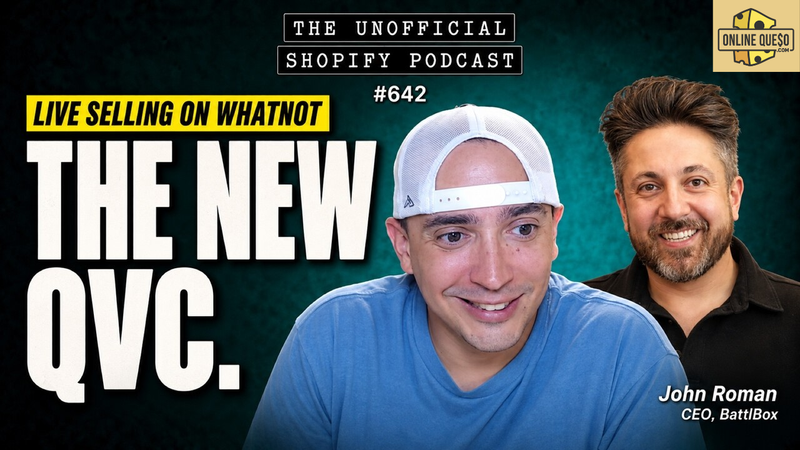
In this episode of The Next Nova Podcast, Matt Phillips of Vexnova sits down with John Roman of BattlBox to talk about entrepreneurship, e-commerce, subscription growth, live shopping, profitability, AI, and the decisions that come with rebuilding a consumer brand for its next stage.
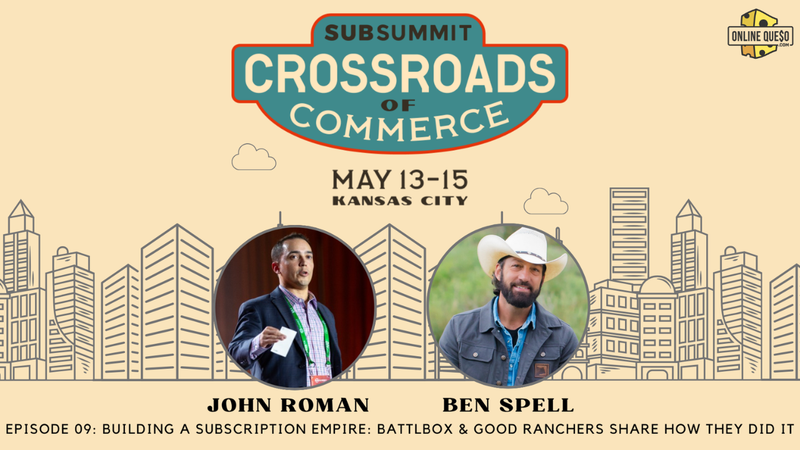
BattlBox started in 2015 as a subscription box focused on outdoor adventure, camping, hiking, and preparedness. Over time, the business evolved into a broader brand built around content, community, and membership.
John shares how the company was acquired in 2021, became part of a public company, and was bought back by its original operators in 2023 at a significant discount. Since then, the team has pushed toward a more aggressive growth strategy by investing in content, expanding Amazon, launching live shopping, and exploring new channels.
A major focus of the conversation is Whatnot. John explains how BattlBox tested live shopping, scaled from a small experiment into a dedicated team, and turned the channel into its second-largest revenue stream behind the website. He also breaks down the operating model, Shopify integration, fees, staffing, and why the channel is attractive from a customer acquisition standpoint.
Matt and John also discuss the tradeoff between growth and profitability, why John prefers profitable growth over chasing revenue at any cost, and how inventory and cash flow can become dangerous when demand slows.
The episode also explores how BattlBox uses AI internally. John shares how the team automates administrative work and built an AI agent that creates product detail pages by pulling inventory data, images, SEO elements, metadata, and other product information into a ready-to-review draft.
If you're an entrepreneur, e-commerce operator, DTC founder, marketer, or business leader trying to grow without sacrificing profitability, this conversation offers practical lessons on channel expansion, live commerce, AI, community, and scalable operations.
In This Episode
• How BattlBox evolved beyond the subscription box model
• Selling the company and buying it back
• What changed after reacquiring the business
• Why content and community create a competitive moat
• Expanding growth through Amazon and new channels
• How live shopping became the second-largest channel
• Why the team chose Whatnot
• Building a scalable live-shopping team
• Shopify integration and live-commerce operations
• Balancing growth with profitability
• Why high CAC can create cash-flow problems
• How inventory affects cash flow
• Using AI as an internal efficiency tool
• Automating product detail page creation with AI
• Internal AI capability vs. using an outside agency
• The future of live shopping, events, and retail
Transcript from video:
Chapter 1: Meet John Roman and BattlBox
0:00 live shopping which was launched in [music] April of last year. So we're 14 months into that and that's been a major unlock for us. That's become our second largest channel only behind our website. So it actually in in this first few months had a run rate to surpass Amazon which was our number two prior.
0:22 [music]
0:28 What happens when you sell your company, then watch it struggle and eventually get the opportunity to buy it back? John Roman is the CEO of BattlBox. In this episode, he shares that remarkable journey and [music] explains how they evolve beyond its subscription box roots. We discuss creating a competitive
0:44 moat through content and community and unlocking a major new revenue channel through live shopping. John shares how they have built a profitable business and didn't take the popular path of grow at all cost. This is the Next Nova podcast. John, welcome to the pod. Looking forward to a great discussion today.
1:03 Matt, thanks for having me, man. I'm excited to be here.
1:05 Yeah, I'm really excited. I think you got some great story going on and what you're doing with BattlBox. But, uh, for everyone who is just now hearing about BattlBox for the first time, what is the business today and what makes it unique in the market?
1:18 Sure. So, BattlBox at its core is just a outdoor adventure brand. So think everything from camping to hiking to just general preparedness, everything under the sun. And yeah, it's crazy to say we've been around since 2015. So we're 11 years creeping up on 12 years.
1:35 A lot's changed through the years. When we started off, we were initially just a subscription box. And then kind of as we grew, we kind of changed into something
Chapter 2: Selling the Business
1:44 more meaningful, something bigger, something better, more of a brand. A lot of the change through the years is part of our secret sauce as well. So big focus on content, big focus on community. Those are our two like pillars and really they work hand in hand. But it just it creates a moat that
2:02 is not easy to replicate, is not easy to compete in. And that's kind of our secret sauce is truly giving a crap about our customers and actually caring about them and producing a large amount of fun content.
2:13 Yeah, that's great. And I'm looking forward to diving into some of that. How have you been able to do that? I think what would be interesting though is because of your journey throughout the time that you've been running the business. I understand you were acquired uh became part of a public company through a spa and then ultimately bought
2:29 the business back. Can you walk us through that experience and what led you to reacquiring the company at some point?
2:35 Sure. Yeah, it's not on the standard playbook of what you're supposed to do, right? You're supposed to sell the business stick around for however long you have to and then ride off into the sunset, but that did not occur. So yeah, to kind of frame it a little bit off of the success, I hate saying the success
2:51 of COVID, but being realistic, you know, if you were a brand, if you were someone selling something online during the pandemic, more times than not, your business benefited for that, you know, 6, seven month window cuz everybody had a captive audience. Everybody was stuck in their homes. So us, like most other
3:08 brands, all saw increased e-commerce sales during that 2020 window. We parlayed that with our Netflix show in July 2020. So we're seeing this really large growth and at the same time we have one of at the time there's three of us business partners that has one foot out the door, doesn't want to do this anymore, wants to retire, wants to do something else, burned out, you know,
3:32 any or all of the above. So we had this interesting decision. you know, it didn't make sense for the two of us that wanted to keep going to buy the third one out for a multitude of reasons, but you know, we didn't know how much further we could take the company. And us all agreeing in a separate
3:47 conversation that a 6xida was a minimum we would take to sell the business. It's tough to make the math make sense to a two man show to figure out, hey, what's the payback on a 6xid, right? unless we can exponentially change the business that's probably 5 6 years which starts to not make sense from like an
4:04 investment standpoint. So we decided we were going to try to find someone to buy the company and that would give the third partner what they wanted and we figured there was a path where in that process we might find a true acquirer that would function as a partner maybe
4:20 saw the same vision we saw and it could be almost like a new partnership while getting paid. So we took it to market. We had a couple offers. The offer that was actually not the most aggressive, not the most cash was the the one we took and it was with a spa out of
4:35 Toronto, Emerge Commerce ran by Gassan Hazison. Great guy and that their his team was good too and they they honestly spoke our language, right? They saw the vision. Their model was us running the business almost independently and not having too much involvement to a certain
4:51 degree, which would allow us to take it to where we wanted to take it. So, it all kind of made sense. They understood the third business partner hadn't been a
Chapter 3: Buying BattlBox Back
4:59 part of the business for a while. They understood that he was going to leave day one. They were okay with that. And we did a deal and we negotiated a really good deal, 60 upfront cash. The rest was tied towards earned out half stock, half cash. And unfortunately, fortunately,
5:14 depending on what side of the table you're on, the story of the SPAC in 2021 was not a good one. So, we sold the business in in October 2021. And then almost as the end of 2021 throughout the majority of 2022, Spaxs even with no
5:30 changes to their finances or business just saw market cap get erased during that window when the whole market you know didn't wasn't doing too hot but
5:38 they they kind of took it the worst and from that simply just created an opportunity. you know, some debt that they had with variable interest rates
Chapter 4: What Changed After the Buyback
5:46 and the market cap change. And with them being publicly traded, it was very public and clear what, you know, challenges they were going through. And we just saw an opportunity that it checked a lot of boxes. It one was mutually beneficial. It solved a problem
6:02 for them. We gave them a large amount of cash uh which they needed and for us, we got our baby back and we got it at a significant discount from what we had sold it for. So even if you're looking at a privilege from an arbitrage perspective, it checked a box. So that was kind of it.
6:17 Yeah. When did you get the business back? We closed April 2023. Okay. So just over 3 years now. Yeah.
6:26 What has changed since then? What have you been able to do or adjust in your approach or strategy really kind of maybe taking the learnings from that from that process that you've gone through? What have you been able to accomplish in those three years since?
6:39 Sure. So from the main things that have changed is took you know not to say that well I mean we weren't during that
Chapter 5: Finding New Growth Channels
6:46 window of acquisition and even leading up to it we weren't necessarily seeing growth we had almost gone a little stagnant and there's other things you can point at as to the why but you know really having a bigger vision bigger picture when we took it back of how do we get it from from X to Y how do we
7:02 figure out to get up to this revenue number then after that this one and just more aggressive more vision focused And uh you know when I think about the actual tangible things we've increased our team significantly adding additional full-time video editors I think we're up to four now. We added some additional
7:19 marketing roles. One focused purely on content. And then when I think of some other big needle movers to the membership you know the what used to be just a subscription box now membership is still seeing growth but it's not seeing exponential growth. It's past that point. It's you know 12 years in
7:34 there's you know some saturation to a certain extent. um and it's already a very niche product. So you know the days of the exponential growth without us fundamentally changing the offering is not there. So if we can get you know small singledigit growth month over month there but focus on other either
7:51 non-existent or existing sales channels we can elevate exponentially that can start getting us that exponential growth and kind of our whole model of content and this and that everything kind of always ties together to the membership
8:05 at its core. So that was the focus. So, we decided we were going to start doubling down every year on Amazon. It was already a decently sized business unit for us, but we started putting the resources into that, which we're seeing the growth of it now. And then we launched live shopping, which was
8:20 launched in April of last year. So, we're 14 months into that. And that's been a major unlock for us. That's become our second largest channel, only behind our website. So it actually in in its first few months had a run rate to surpass Amazon which was our number two prior. So and then we have obviously the other sales channels as well and as we kind of figure out how do we keep
8:44 exponentially growing there's a few doors we just got to decide if they're the right doors and and the the leading one but also probably the scariest is is trying to figure out and see if we can crack retail.
8:54 Yeah. So it's interesting because most of your correct me if I'm wrong most of your business is membership based correct?
Chapter 6: Why BattlBox Bet on Live Shopping
8:59 Yep. 70% of our revenue is the membership. And then so you're selling individual products outside of that is the other 30%. Is that the right way to look at it? Yeah.
9:08 Whether it's on our site or eBay or Amazon or what? But it's all onetime capacity. Yeah. I was wondering like how does a membership work on Amazon or elsewhere.
9:17 That makes a lot of sense. So you hit on this. A lot of consumer brands after 10 years really start to plateau, right?
9:23 And you like you said, you're in a niche business. You could look at expanding your assortment, your catalog of products potentially is one way to grow. It sounds like your focus is expanding channels, getting more customers through channel expansion. Correct.
9:39 And you know, live commerce has been somewhat successful, I would say, in the US, probably more successful in other countries. Absolutely.
9:49 what convinced you that was a channel that you wanted to get into at a at a greater level and really lean into it?
9:58 Sure. So, one thing I did leave out from the the list of things we're doing inerson events has been a big piece as well. So, we can hit on that if you want to. But back to the live shopping question. So, you know, I'm almost become kind of numb to it because I feel
10:13 like for the last 10 years, all we've heard of in this space is live shopping, live shopping, live shopping. And we've seen the revolving door of platforms attempting to solve for it. Older, now soon to be defunct platforms trying to figure it out, like HSN or QVC. We've
10:28 seen, I believe, six iterations from Amazon trying to figure it out. And if they can't figure it out, like that's scary, right? Google's done a few via YouTube. I know of at least two that were either baited or we were looking at being a part of. So, it's just been a
10:45 constant it's not here. And the constant care is well look at China. Look how much revenue China is doing. You know, clearly with that lens, we're a lagger.
Chapter 7: Testing Whatnot
10:54 Why are we so far behind? There's definitely some cultural differences between the two countries, right? The consumer behavior on purchasing is not identical. It differs by country by country, right? Like every country has a little bit of a different consumer behavior, but this last couple years it
11:09 started to really kind of start showing signs like if you're really looking at it that this might actually be a different time platforms like whatnot uh which started off in the I think Funko Pops and quickly yeah quickly got into
11:24 the Pokemon sports cards and for a few years that was what all they did collectibles and during co I actually had downloaded the app and looked at it and kind of understood what it was.
11:36 Didn't really think it was a fit for us though, right? We're not sure we have some special edition knives that are collector items, but it's not really what I thought would be our home. But these rumblings keep showing up and we're like, okay, we're whether this is it or not, we're going to give it a
11:52 shot. And that's what we did or started to. We had planned to go on TikTok live. We had already had some success with TikTok shop. TikTok has our largest organic following of over a million. So, we were like, knowing what I know now with their algorithm changes, it seems silly to say, but we thought, a
12:08 million followers, that's instant audience for us when we go live, which anybody that is on there now knows your follower count matters very little these days. So, we were kind of pretty much ready to hit the go live button on TikTok. And a whatnot salesperson shot a
12:25 team member an email just shooting their shot. Hey, we'd love to have you guys on there. We started chatting about it in Slack. I was like, well, I mean, I have the whatnot app, but it's like sports
Chapter 8: Scaling Live Commerce
12:34 cards. I don't know about this, but let's hear them out. And they gave us a really good offer to think to launch with them and at least test. It's very aggressive. And at the same time, on that call, they kind of pitched this vision of theirs, which was not just collectibles. They had just raised a
12:49 couple months prior maybe a hundred or so million at a $5.5 billion valuation which is definitely seems like some validation that okay maybe these guys know what they're doing or or it appears that they do. So we gave him a shot and
13:04 we had no idea what we were doing when we clicked the live button but we kind of fumbled through it and when it was over which I think we did it for like 2 hours maybe an hour and a half and we had sold a lot of stuff. We had sold a few thousand worth of items and we're like, whoa, this went way smoother than
13:19 it was supposed to cuz we did not know what we were doing and and looking back now at like the lack of process, lack of understanding is almost comical. But it
13:27 was simply the reality of what not and what they're doing for it. So then, you know, fast forward, we said, okay, it's go time. Let's scale scale scale. Every month over month, how do we grow bigger?
13:37 We go from, you know, one host and one show runner to a team with three show runners and six hosts and a couple other positions that kind of help feed the animal. And this whole time we're seeing whatnot do a I think 6 months
13:53 after that initial they raised again at a 11 billion valuation. And then you're like wow. And then fast forward to this month, another 6 months or so go by and I think they raised like 500 million at a $20 billion valuation, which is just I
14:10 don't want to say unheard of, but you don't see this rise like this very often, right? This is definitely like unicorn status with certainty. So we think we picked the right horse for sure. And they're built a little bit different. It's probably because they're a startup. You look at you know eBay or
14:26 any of the other platforms honestly for that matter and they're most of them are pretty established organizations. So it's very process-driven bureaucracy with
Chapter 9: How the Whatnot Operation Works
14:35 Whatnot. The team is like let's just jump on a call and they're jumping in the back end and screen sharing and changing some code and it's like they're just jumping to the front of the fight with you and it's kind of a refreshing feeling, right? like we do this stuff all day, but like to see a tech partner
14:50 doing it with you is it's a little unusual if I'm being honest. So because of those reasons, we were like whatnot's our platform for sure.
14:58 So it's a pretty interesting use case for whatnot um and the success that you've seen there. I have to imagine there's a lot of people who have not explored that as a channel. You mentioned hiring some content developers, hosts. Could you just maybe just walk a little bit into the details
15:15 of what does it take to sell your product and whatnot? Like what's the part that you're contributing and then what does whatn not ask from you maybe financially to participate in that marketplace.
15:26 Yeah. So starting on like what you need to do um and I would say 98% maybe that's a random made up number. vast majority of the sellers on whatnot are soloreneurs, single person running, you know, whether it's a side hustle or a
15:42 business that's full-time or just something they do at night, something to that capacity. And they're the talent, whether they're just showing their hands and the cameras like this or they're doing some kind of presentation. You see both flavors of that, hand models and then traditional hosts. And there's a
15:58 dashboard where you can like, you know, put the item and hit list and decide the price and the time um like a normal auction. And a lot of hosts are doing that too. You can even see them sometimes like setting it up. We took for whether right or wrong. Our approach toward since the beginning was a line in
16:14 the sand where we had someone dedicated to running the back end to getting the products ready to putting the auctions to giving information to the host and
Chapter 10: Fees and Shopify Integration
16:23 the host's main focus was not to get lost in the computer thing, right? Like be a host, entertain the community that's there, talk about the product, sell the product, engage with the audience. You don't need to worry about the backend computer stuff. So that was our approach to kind of split it in
16:39 half. Anyway, so that's what we did off the jump was that it also made it easier to scale, right? Because you could focus on two different specific skill sets.
16:49 Someone that's maybe really good in front of the camera, personable, great personality, able product knowledge. While all of that matters a little bit less on the back end, I don't mean that in a negative way. It's a different skill set. You've got to multitask, got to understand margins, you've got to be
17:04 able navigate through the platform in Shopify and check all kinds of stuff. It's a very administrative but fast-paced environment that a lot of the people that would be good in front of the camera are not able they're just not
17:16 going to be fast and efficient on the other side. So, it also allowed us to scale it easier. Back to your question on the whatnot side, uh their model is 8% platform fee goes to them and then there's a 3% 30 cent credit card
17:33 transaction fee that you know arguably goes to them and then a portion of that is then going to the credit card processor themselves. So call it 11 points goes away. And does it does it plug in directly into your Shopify store then?
17:47 It does. So yeah, there's been a couple iterations. We're on a different integration as of maybe 5 6 months ago than we were originally. But yeah, full Shopify integration. It's simply adding a sales channel like you would in your normal Shopify. You add the app and it's just another sales channel and then
18:04 you're adding products to sales channels. You can go in a PDP and there's some new meta tags specifically for whatnot where you can make some changes that show up via the whatnot platform. And then it uh because there's a lot of I guess there's a couple reasons they do this but you're selling
18:20 and sell you know this live show for an hour or three hours or seven hours like our show last night and you have a lot of repeat buying right one person will come in for the show and they'll pick up two three four items. So what the integration does it creates those in
18:35 drafts and it maintains a bunch of drafts for all the customers. So when the show actually ends, then it closes them all out, which is an interesting model, but it does save on additional extra work. If it just closed them as a single transaction into the show, you know, Matt, you came to the battlbox
Chapter 11: Growth vs. Profitability
18:52 show, you bought seven items. Do you really want seven individual boxes to be sent? Do I really want to pay seven
18:59 individual shipping charges? You might have paid seven shipping charges yourself. So they have like a they're combining it all as well on their end based on weights for shipping cost too.
19:11 So I buy that first item and shipping might be 550. When I buy that second item, it knows the net difference of this ounces etc. and only charges me
Chapter 12: Why Whatnot Changes the CAC Equation
19:19 $160. So it's cool cuz there's some more moving pieces than a traditional integration because it is live in real time. So it's been an interesting one. And then you can also technically you can advertise your shows. they would show up in the feed like a sponsored
19:34 post would um up top or if you're scrolling you'd see sponsored by, but we honestly don't do a lot of that. Interesting. Well, that's awesome. I appreciate you sharing that.
19:45 Yeah. So, like I mean like you said, we've had a previous conversation. You're kind of you're in a good place right now, right? The business is growing. You're finding new channels that are work that are being uh successful for you and driving growth.
19:57 I'm curious at this stage, how do you balance continuing to invest in aggressive growth or maybe accelerating your growth with building greater profitability uh and operating leverage?
20:12 Yeah. So, it's a challenge with certainty. I will say um the interesting thing specifically about what not considered this massive driver of
20:20 revenue for us as of late is there's no acquisition cost there, which is which is nice. And then we see the natural
Chapter 13: Profitable Growth vs. Growth at All Costs
20:27 organic flow of these customers into our actual full ecosystem where often times they might become members, subscribers or purchase additional items from us in a onetime capacity on the site. So that channel specifically um it becomes less
20:43 of a profitability puzzle as tra traditional scaling meta where you know do we take this slightly higher c because it'll get us more today and you know we hope that the LTV is what it's supposed to be. It's it's a little bit of an easier pill to swallow
21:01 because the other side of the business I mean your ask is spot on. It's a it's a constant challenge right? Do we do we want to continue to grow at that rate if it's not as profitable as we want?
21:13 Probably not. But I would say we're also probably a little bit more conservative when it comes to the view of growth at all costs. I'm a big believer of profitable growth at all costs. I'm I'm not a fan of taking taking a higher than acceptable CAC because we're just trying
21:30 to hit a revenue number. I've seen too many businesses take that approach and it works until it doesn't work and you're missing payroll and you're having cash flow issues and I don't know even though we haven't necessarily had to go through that I know how painful it can
21:45 be and it's not thing I'm I'm really I really want to sign up for. Yeah, it's interesting. I think there was a time and this was I think it predates co as as well you know with your milestones that you were hit during
21:57 the co period and the acquisition that you went through but prior to that it did feel like it was a grow at all cost and profit was a line item but it wasn't looked at it how you drive your top line as much as possible because that was the
22:11 multiple that you were going to get if you're going to raise funding or sell your company and I think the moment with co while it did benefit some companies.
22:20 A lot of companies struggled during that time as well. And the bottom line fundamentals of their business weren't that great. And when all a sudden demand slows down, that gets really tough on your cash flow. And like you said, your ability to pay the bills and and payroll and so on.
22:38 Yeah. Especially if you have if you prepaid inventory, which most have, and it's sitting there and paid for. If your sales velocity slows down, your cash is kind of stuck in the inventory. It's a vicious cycle. You're spot on though. It for precoid and it was a several year
22:53 sit where profit really was just a line item. You're completely right. People didn't care about that. You weren't all the news of the acquisitions and the the
23:00 money that was raised. Like nobody cared about profitability. You can figure that out later. And that was like a constant just kick the profitability can down the road. Who cares about that right now?
23:11 Which is wild to say. But I also think it's kind of cyclical. Like I feel like yes, right now we're in this era of profitability and knowing what your ebida is, knowing what your contribution margin is, like focusing in on that. But I do feel it's cyclical. I feel like at one point when things are going well
Chapter 14: The AI Investment Boom
23:27 enough for a long enough period of time, we will start caring more about Topline again. Not us BattlBox per se, but just the the industry as a whole, right? and we'll quickly forget our sins of 2019 and we'll go right back to it
23:43 and you'll start seeing valuations based on topline which you know at this point it's a very select few right you've got to be you have to be multiple nine figures and you have to have like a a strategic very large buyer and both of
23:59 those have to be true for you to get that multiplier off topline and even when it happens and there's been a couple that have obviously happened this year and last year But even some of them, they're still calling out the profitability piece. But, you know, for the 99% rest of us, that's not the story.
24:15 Yeah. It'll be interesting to see what happens in the age of AI, right? There's a lot of companies out there taking getting a lot of capital for their AI products, whether they're an actual LLM who's designing and developing these AI portals and platforms or people who are
24:32 building on top of them, right? a lot of capital being spent within that space and we're going to have some IPOs probably this year those larger frontier labs within AI. It'll be interesting to actually see once their books are open.
24:46 They've been chasing a lot of revenue to justify the capital that they've received. It'll be interesting to see how profitable they are at this stage.
24:53 Yeah, I don't think they have a very clear path. I'm just guessing here, right? Like obviously I haven't seen their books either, but I feel like they don't have a very clear path to profitability. I could be wrong, but it's very very very it seems you nailed it. It's acquired any cost. We've had
25:10 this back and forth this past 12 months where you know Chad GBT was this lead was the pace car for a bit and then cloud came out of nowhere.
25:18 Yeah. and moved quickly and if you're anything business Claude is what you need to use and just out of nowhere took this massive lead on them. Now you have Chad GBT arguably catching back up or passing Claude and they're both going crazy different types of campaigns of
25:34 like let's talk about the both of them dropped there were pieces of news where you know Methos right had gotten out of a locked environment and then on the Sam Alman side their latest model did something wild too it trying to think what it did it found
25:50 some day one or day zero um I'm trying to think but there was there the big news thing of something it did and I'm
Chapter 15: How BattlBox Uses AI
25:58 like 98% confident both of those organizations drop those news bits like they are just taking in next level competition plus acquiring customers at at any cost and then with the data center need right like the amount of
26:13 power and units they need like that we don't have that we're constantly like we're in desperate need of more infrastructure to support this stuff so I don't know I just don't see how they could be profitable, let alone an easy path to profitability.
26:28 Yeah, it'll be interesting to see for sure. And you know, I I use AI in a lot of what I do. And it's definitely beneficial and helps with a lot of different things that I'm trying to accomplish. I'm curious with BattlBox, how do you use AI within your organization? Are you using it often as as a team or are you building capabilities around it? How are you utilizing it?
26:49 Yeah, so we use it a lot. I would venture we use it more than most organizations our size. We don't use it on the customerf facing side. That's been kind of the no area for now and but on the on the back end the business side there's been a lot of it. So we you know
27:05 we tried to figure out what's the right approach. You hear a lot of maybe thought leaders but like AI is going to eliminate jobs. Well AI is going to take your job etc. I'm a big believer that AI is a tool that all of us can use that can just massively hack exponentially
27:23 increase our output, right? It can increase our output. It can take what could be deemed administrative tasks that aren't a good use of our time through automation while we can focus on more revenue producing or more important tasks. And I think if we can harvest it,
27:39 harness it almost to like 10x what we we can previously output. So that's how I view it. Now, am I scared for the future
Chapter 16: Automating Repetitive Work
27:47 generations going into the workforce that are, you know, maybe a university or maybe in high school now and they've got to go into that business level, entrylevel job in a few years. Yeah.
27:58 Because that's a lot of that administrative stuff that they would be doing where they would be, you know, sharpening their cutting their teeth and learning a trade is going to be
Chapter 17: Building an AI Product Page Agent
28:07 automated. So it'll be interesting on that side. But in the now, it's just tasks that, you know, we find ourselves, hey, I every month I'm going through this reconciliation report or I'm having to update this stuff on our PDP pages
28:21 and and little things like that. And as soon as you come across it, this is a super trainable moment where I can dump it to claim scheduled task that just does this for me. And there's a there's a lot of that.
28:35 So there's been some bigger stuff we've built. We have all of our PDPs now are created 100% by agent we built. We we named him Leonardo DiCaprio. Not sure not sure why, but he isn't he has Leo's voice and you know makes puns and references to his movies. is catch
28:52 me if you can. But he yeah, he runs daily and he builds um at this point he's built a couple hundred of our PDPs and he does the the full thing from gets through an API into our inventory management software. He knows when stuff
29:07 arrives in the warehouse, grabs that, goes to our ordering tracker, pulls the specs, pulls the data, checks another location to see if there's imagery for it and from that the warehouse takes photos when stuff arrives. If not, he will resource it online. He'll then take
29:23 all those images, put them, pull them out, transparent images, white drops, shadows, put them in the proper sales channels, SEO, HTML, etc., you know, the the correct slug metadata, and then drop it back to us and say, "Hey, it's a draft. It's not live. You know, it's
29:40 ready to go." And so, so things like that where we were in desperate need of that. We had probably five different people that would touch a PDP from start to finish before it was like ready. And while we were getting them done, when you have that many people's hand in the cookie jar, Yeah.
29:57 it just doesn't work, right? There's nobody there. When everybody's accountable, nobody is. So, this kind of alleviated that. And Leo just doesn't.
30:05 Yeah. That's really interesting. And I've been in organizations, e-commerce businesses, where that process that you just said could take weeks because you're talking to multiple different people. You're waiting for responses.
30:16 Where are we at with this? Where are the images? When are they going to be on the list? Is the inventory arriving this week or next week? What day will it be? Can we put this up on the site yet?
30:26 Having someone who knows SEO, right, write the the description and making sure all the tags are right. That's pretty incredible use case for sure. It has to be saving you immense amount of hours. And I'm curious, is it, you know, it's saving you time, right? But actual time.
30:44 Do you feel that what it creates is equal to, better, or worse than what a human would create for that product page?
30:52 Equal to, possibly better. Why I would say equal to the basis of what it does, we taught it how to do it based on how we currently do it. So there's a strong likelihood of baseline of being equal.
31:05 the the way it might be better is not to say computers don't make mistakes, but if they're coded correctly, if there's not too much context and it's a very straightforward command, they're not going to make the mistake.
31:19 And then you can put things in place as well to audit afterwards and kind of ensure it doesn't and humans make mistakes and there's not someone to check their work always per se, right?
Chapter 18: Building AI In-House or With an Agency
31:29 Like it's tough to audit yourself after you make the page and make sure you don't miss anything. So I would say equal to or possibly better just because of the lack of mistakes.
31:39 So if I was a CEO running a company, an e-commerce business maybe or something similar, consumerbased business, and I'm thinking, all right, that's a great use case. We could definitely do something like that, but we just don't have that expertise. What would you recommend in that scenario? Would you bring in
31:55 someone internally to help build that capability or do you look at a potentially hiring outside partner that can help get your team proficient at using AI in that way? How would you look at that?
32:07 I think it's a great question. I think it's a question that everyone should be asking right now and it's a question we've discussed a good bit. So, I was telling someone literally last week about how I never understood why a brand up to a certain size would ever need like a a CTO or a head of technology.
32:25 Now, oh my gosh, brands need that. You need that figure all this out cuz it's a lot. I think that's an option. I think hiring for it, an internal person that is I don't even know what the role is.
32:35 Head of AI, head of technology and is focused on AI. I think that's absolutely a path. I think there's the world where this is what we did and you know I do not know if it was the right move. There were absolutely a times when I was up a
32:49 little later than I should have been or not focused on something that I should have been because I was focused on this. I wanted to eat my own cat food and just do it and understand it out of fear of getting left behind. Right? I want to understand how the sausage is made. So
33:01 this Leo character that makes the PDPs I built him myself. Now while building him I did a really good job documenting it and created these blank shells and
33:10 anybody in the company can take and build on top of and has like a baseline basis understanding of who we are what we do and the how to connect the technology that we use. I don't know if that's the right move and certainty it was more of a personal decision that the
33:26 other option is agency and to me that we use agencies for all kinds of things right we use agencies to run our ad accounts we use we use agencies for our development like website development like this seems like a very logical move to use an agency let them be experts in
Chapter 19: What the Next Stage of BattlBox Looks Like
33:42 that just like we let our development or our ad buyer agencies be experts and like the side of the business that you find the right partner it's probably going going to cost less anyway. You don't have to deal with it. And when you find the right agency and the right partner that functions like a partner, like it's like they're on your team anyway. So, I think that's a strong use case, too.
34:01 Yeah, that's great advice. I appreciate you sharing that. So, yeah. I mean, when you think about the business and where you're at today, right? You're having success, the business is growing. Where do you see it in 3 to 5 years? What's the next version of Battlbox look like?
34:16 You know, what's really what you're most excited about building and taking from here? Yeah. You know, the crazy thing is, and we've talked a lot about the live shopping piece, but it's not often that. So, this after this month, our run rate on whatnot, probably about $5
34:31 million in annual revenue. And it's not very often that I you can get to 5 million in a little over a year, but also see a very clear path to getting to 10. And the path is so clear getting to 10. I would envision that the path after that to get to 20 isn't far off. And when you
34:49 see that, you're like, "Oh my gosh, if this thing can keep scaling this at this rate, all of a sudden it might be, you know, just as big as the other side of the business." And I'm excited about seeing where we're going to take whatnot in live shopping. We didn't spend a lot of time on it, but in person events, we
35:05 do battlgames. It was a post acquisition buyback where once a year we send send 250 golden tickets out to our members. That gives you the right to do a video submission. We select 10, five to uh to Georgia for a week. Uh multi-day competition and we give the
35:21 winner 25K. Cool events like that. We're looking at next year doubling down and doing additional inerson events. That gets me excited. Yeah, I think those are probably the two biggest, you know, levers that I see. They get me excited on the future growth. And then if
35:36 there's a world where we can figure out retail, I love trying, you know, everybody after the iOS funkiness a few years back, everybody freaked out and was like retail, retail, retail, retail, retail. And now you're seeing some of those brands that did that that are struggling, right? They they've hit cash
35:52 flow issues. They they learned some hard lessons about how tough retail is from both both negotiating with the giant and how much cash retail can suck out of the business. So, I've heard some horror stories, so I'm a little a little reserved with my with my getting into
36:08 the pool, but uh we I'd love to figure that out, too, because I think that would be a massive unlock, but we have to do it the right way and on our terms and not in a way that possibly harms the business. So, yeah, I think retail is wholesale retail is a channel that can definitely be a
36:24 benefit, right? But it it's probably about the balance, right? I hear a lot of folks who when I talk to them and they're in retail and they have their DTOC business, it's yeah, we make so much more money when we go sell direct to consumer, but we we use retail to kind of gain the exposure for people who wouldn't find us. Yeah.
36:40 And so having that balance and that mindset because you're absolutely right. If you're working with one of these large national retailers, whether they're a pure play e-commerce company or someone with a thousand locations, tomorrow they can decide, well, we don't want to carry your product anymore.
36:54 Well, now what do you do after you just bought all that inventory and it's sitting on a boat and ready to come over or wherever it might be? It's really scary, right? And then and companies have gone bankrupt in those situations, right? So, it's an interesting challenge for what DTOC has
37:10 had to take take on. I think part of that, as we were talking about before, is that grow at all cost that D2C companies were doing in the mid 2000s and some of them survive that, some of them haven't. You know, you take a
37:25 company like Alirds, who is now supposedly an AI company, right? That's a huge one. That's definitely the wildest story out of them all. I did not see that one.
37:35 Now, they're valued over a billion dollars at one time and I think they sold IP for 36 million sub 40 million and and now they're an AI business.
37:45 Yeah, I never dug into it. My take on the whole thing is that company just wanted to be publicly traded like it was a modern-day unusual spa move or I don't it just didn't make any sense.
37:56 Yeah, it's a really interesting change in direction and what they did there. Um probably some interesting financing involved to make that happen.
38:04 I'm sure it was Yeah, I'm sure it was interesting. Well, look, John, it's uh it's been great having you on. Really enjoyed the conversation. Thank you for sharing your journey and your experiences and
38:14 everything that you've learned along the way. Uh for those of you who have found this conversation valuable, please remember to subscribe to our podcast, leave a review, and share it with anyone who might benefit. We'll be back with more episodes designed to help you grow your business. John, thanks again,
38:29 Matt. Thanks for having me. Have a good one. Yeah, it's been a pleasure.
38:38 [music]